One-plantAnimal
Yeast Soda
I’d like to join in that beloved tradition which I think is so great of beginning recipes with gratuitous and unwelcome reminiscing. I will start by recalling the few and largely unpleasant times that I found myself drinking alcohol prior to coming of age. Admittedly susceptible as I am when it comes to most things considered mind altering – and many ridiculous things that are not, such as ibuprofen which brings on waking nightmares that are truly special– ingesting even a single glass of wine would invariably conjure a bizarre gloom if not reduce me fully to tears. Even given my overall sensitivity, I found this reaction puzzling and embarrassing, since I’m neither a teetotaler nor a legalist, and regard myself as generally cheerful. In any case, as soon as I turned 21 (“double-digits” as a friend joked), suddenly I found myself able to enjoy drinking without issue. I guess that there was some guilt that I had trouble feeling directly but which nonetheless soured otherwise tasty bevs. As Marx says, “they do not know it, but they do it.” There are these secret prohibitionist organs that can pop open or closed like a flip top bottle.
I am reminded of the practices of the Kaluli people, described in Steven Feld’s Sound and Sentiment, of “secretly speaking” and "whistling with words in mind.” The idea is to wordlessly sing or whistle a tune while thinking of a corresponding text. Conversely to the example of ideology in Marx, in which an apparently absent thought is nonetheless acknowledged in the action, in “secretly speaking” we have an acknowledged thought which is nonetheless apparently absent in the action. Apparently, because words in mind inevitably color whistling. Imagine an opaque bottle. It may be impossible to read its contents, but these are reflected in the character of its toot. Now, cut open the bottom of the bottle and affix a squeezable rubber membrane, filling the bottle partially with fluid. If you blow it’ll whistle, and if you squeeze it’ll warble. What you have is an Udderbot, which won a “Judge’s Commendation” at the Guthman Musical Instrument Competition. You can use it to play Mozart and that is just great. “The Music Professor” on YouTube describes Mozart as “fizzy”, possibly alluding to the widespread belief that the composer enjoyed his booze. “Mozart was NOT an alcoholic: The celebrated composer would have been unable to create such masterpieces if he had the disease” rebuffs Dr Jonathan Noble via Daily Mail dot Com.
The home page for Solarc Brewing redirects under 21 yr olds to the wikipedia page for mead, an easy to make alcoholic bev. I like this joke. But what if you want your fizzy bev without alcohol because getting drunk would make you weep from guilt, not to mention compromise your great compositional genius? We’ve all been there. There is kombucha, or water kefir, but you may as well get an animal pet with all the upkeep. There is the sodastream hailing from the occupied west bank, or competitors which will bring about as much guilt as alcohol what with being another cartridged plastic appliance – this is no good. Then a thought strikes you like a really big strike of lightning. You can’t spell ‘Yeasty’ without ‘easy’. In a few words, quick yeast soda ferments: tasty, yeasty, easy, and with alcohol content that I suspect to be on the order of sourdough bread, although I have not measured.
Ingredients:
~Fermentation grade pressure safe* bottles
*important!
~Yeast. Bread yeast is fine but champagne or ale yeast tastes better.
~Optional flavorings such as hops, pomegranate molasses. See below.
Active Time: 10 minutes. 9 of these will be spent entranced by the pretty bubbles
Passive Time: ~12-48 hrs
Preparation:
1. Fill fermentation grade pressure safe bottles, i.e. a flip-top, repurposed kombucha bottle, or standard beer bottle (if you have the equipment to affix the cap) with your sweet liquid, flavorings, and yeast (~⅛ tsp of yeast per bottle should be plenty). Leave a few inches of room at the top for gas to build up.
2. Leave at room temp for awhile, checking for carbonation at least once a day by “burping” (carefully opening the bottle and seeing if it wants to spray everywhere). I find that if I make these in the morning, they will usually be vigorously carbonated by night. If not, I will check the next morning and the following night.
3. While you wait, contemplate an aphorism from the great maestro Marco Pierre White:
"Allow food to be what it is. All we're there to do. is to make it taste more delicious.”
Wow.
4. Refrigerate and serve over ice. It can sometimes be beneficial to leave it in the fridge for a day or two to rest before serving.
Hops and cider in particular is a fav flav. Both cider and hops are great friends with yeast, and their flavors complement each other well. It calls up the original (or british) sense of cider and also evokes beer since this is the only place where we tend to taste hops. These bine flowers are accessible and cheap from places like freshops dot com (no affiliation). Once, I added pine needles with the hops and it tasted distressingly like green apple sour candy. Either cider or grape juice also pairs well with pomegranate molasses for a shockingly fruity combo which tastes good. The jarred passionfruit honey tea that some Asian grocers stock works as well. Ginger, chilis and tamarind for a kick, or Mint and lime for something refreshing. Rosemary and thyme, everything is possible. Cheers
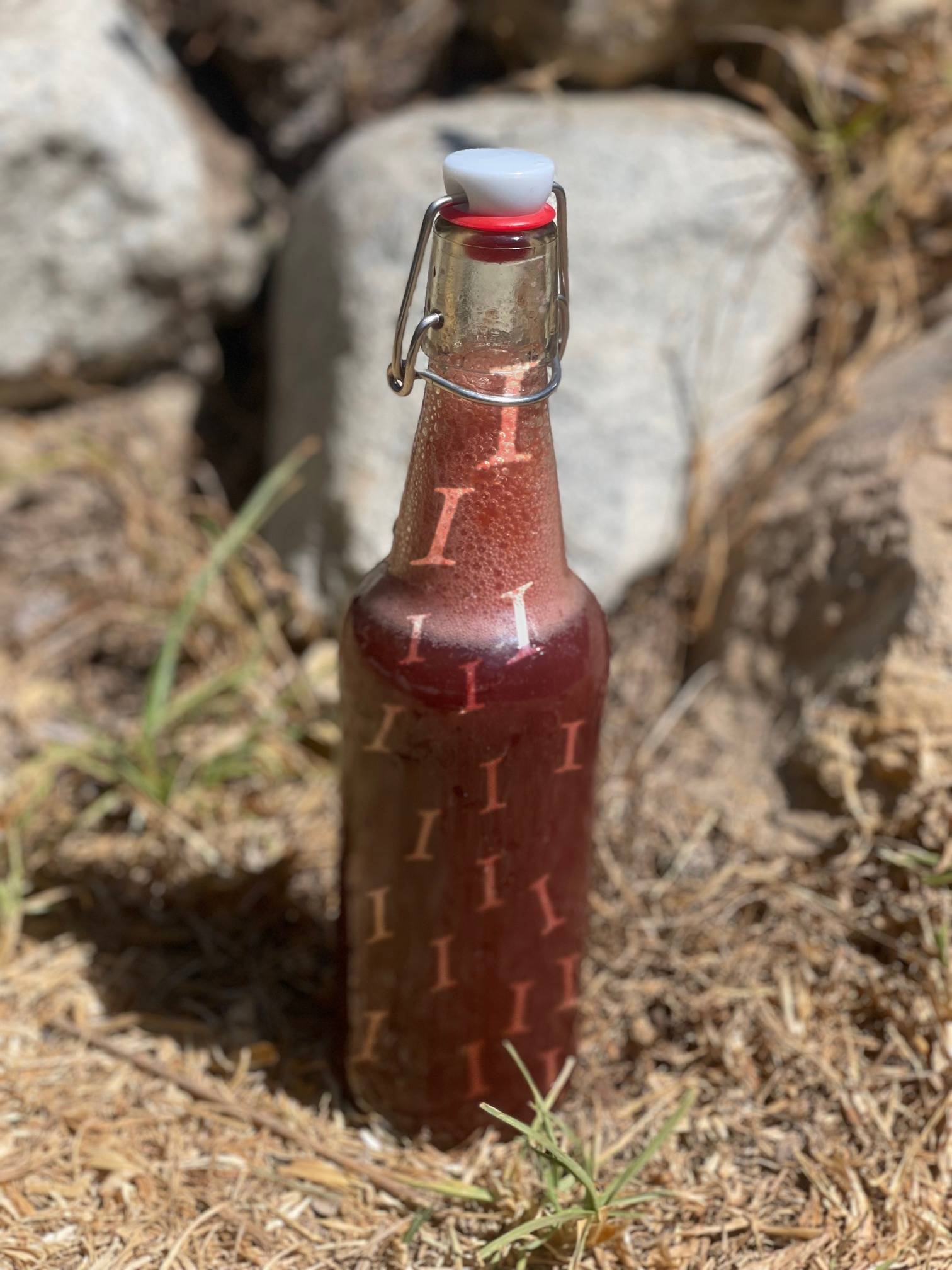
Figure 1. Yeast soda. The 1s represent yeasts which are the number one single celled organisms in my opinion